Most of us are not lacking water.We are lacking the minerals water has lost.

HYDRAW puts back into water what the modern world has filtered out.

Each mineral has a job to do.

Sodium controls where water goes in your body. It is not about how much you drink, it is about where it ends up. In your bloodstream. Around your cells. In your tissues. Without sodium, the water you drink passes right through you.
Potassium is sodium’s counterpart. It works where sodium does not, inside the cell itself. Together, they maintain fluid balance and support nerve signaling and normal muscle function.
Magnesium is involved in more than 300 biochemical reactions. It supports the transport of potassium and calcium across cell membranes. Without it, the electrolyte system cannot function fully. Source: Aquamin® Mg from the Atlantic Ocean.
Calcium is the signaling electrolyte. When a nerve impulse reaches a muscle, calcium is what triggers contraction. Without it, the signal does not become movement.
Zinc is not a classic electrolyte. It works differently. It is involved in hundreds of biochemical processes, supports normal metabolism and immune function, and helps protect cells from damage.
Chloride is the primary negatively charged ion outside the cells. It follows sodium, helping maintain the pressure balance that determines how water is distributed between the blood, tissues, and cells.
Phosphorus is a component of ATP, the body's energy currency. Every time a muscle contracts, the body uses ATP. Phosphorus also supports normal cell structure and helps the body maintain acid-base balance.

We learned how to purify water. It's time to understand what we lost along the way.

Over the past 50+ years, we learned how to purify water, grow better-looking food, and live faster. But along the way, a large share of minerals disappeared from everyday life. The body needs them for fluid balance, the nervous system, and muscle function, yet today we get less of them and lose them every day through sweat, stress, and the pace of modern life. Water alone can no longer replace what the body loses each day.

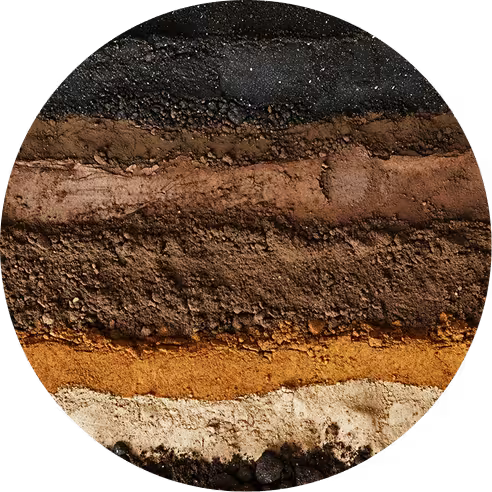
Soil is not just the ground beneath our feet. It is the first layer of minerals in food.
When it loses balance, the change moves further along, into plants, into food, onto our plates. The 2024 EU Soil Observatory / JRC report states that nutrient imbalance affects about 74% of agricultural land in the EU. That means the problem is not local or theoretical. It is already part of the standard food system.

Food still looks like food, sometimes even better than it used to.
But what looks good on the shelf is not the same as nutritional value. A 2004 study by Davis and colleagues, comparing USDA data from 1950 and 1999, found declines of up to 38% in certain nutrients across 43 types of fruits and vegetables.

When we talk about declining minerals, we are not talking about a nostalgic feeling
that “things used to be more real.” We are talking about data. A Scientific American review citing an analysis by the Kushi Institute found that, in data on 12 fresh vegetables, iron levels had dropped by 37% and calcium by 27%. It is one more sign that the problem runs from soil to plate.


Magnesium is not just a trend in the supplement world. It plays an important role in energy metabolism, the nervous system, and muscle function. A 2025 review states that around 2.4 billion people may not be getting the recommended amount of magnesium. When there are fewer minerals in soil, food, and water, it stops being a personal mistake and becomes the result of the modern food chain.

  • MYTH 1
    "If I drink enough water, I must be hydrated."
    Water carries minerals into your cells, but only when those minerals are there. Without electrolytes, water simply passes through the body. Hydration is not about quantity. It is about what the water carries.
    MYTH 1
  • MYTH 2
    "Electrolytes are only for athletes."
    You do not need electrolytes because you became an athlete. You need them because you have a body. You breathe, move, work, sweat, drink coffee, miss sleep, and deal with stress. All of that draws on your mineral stores.
    MYTH 2
  • MYTH 3
    "I eat fruits and vegetables, so I must be getting enough minerals."
    Vegetables are still good for you. They just are not all-powerful anymore. Over the decades, soil has lost some of its mineral content, so a beautiful tomato does not necessarily mean plenty of magnesium, calcium, or zinc.
    MYTH 3

Hydration for your whole body

Water is just the beginning. The electrolytes in HYDRAW’s formula help it do its job in the body, distributing fluids, maintaining balance, and supporting everyday body function.

Electrolytes are essential for healthy blood circulation. Sodium and chloride regulate blood volume and pressure by controlling fluid balance inside and outside the blood vessels. Potassium works in the opposite way from sodium, helping relax blood vessel walls to support smooth circulation. Magnesium helps maintain blood vessel flexibility and flow. Together, these minerals make sure oxygen and nutrients reach every part of the body.
The nervous system runs on electrical signals, and electrolytes are the charge that creates them. Sodium and potassium generate the nerve impulses that let you move, feel, and think. Chloride maintains the electrical gradient needed for signal transmission. Magnesium acts as a regulator, helping prevent nerve cells from becoming overstimulated. Proper electrolyte balance helps the nervous system function the way it should.
Electrolytes are directly involved in digestion. Chloride forms hydrochloric acid in the stomach, which breaks down food and destroys harmful microorganisms. Sodium helps glucose and amino acids absorb through the intestinal wall. Potassium supports fluid movement in the digestive tract, while magnesium activates the enzymes that break down proteins, fats, and carbohydrates. The result is that your body gets the most from what you eat.
The brain only works well when electrolyte balance is precise. Sodium and potassium support rapid neuron activation, which is the foundation of memory, focus, and mood. Magnesium helps calm the brain by regulating neurotransmitter activity and protecting neurons from overload. Chloride supports the brain’s electrical stability. A well-hydrated brain with the right electrolyte levels means clear thinking and emotional balance.
Calcium gets most of the attention, but other electrolytes are just as important. Magnesium is essential for converting vitamin D into its active form so calcium can be absorbed. Potassium helps reduce the body’s acid load, since excess acid can pull calcium from the bones. By supporting acid-base balance, chloride helps protect bone mineral density. The electrolytes in the HYDRAW formula support a strong, mineral-rich skeletal system.
Electrolytes fuel muscle function. Sodium and potassium regulate fluid balance in muscle cells, which affects contraction quality, endurance, and protection against cramping. Magnesium supports muscle relaxation after contraction. It removes calcium from muscle fibers, helping reduce soreness and fatigue. Chloride helps maintain pH balance in muscle cells. Water alone is not enough, optimal muscle function and recovery require both.

Morning / On an empty stomach

Some people intentionally delay breakfast and start the first hours of the day without food. After a night’s sleep, the body has already lost some fluids, so water often becomes the first choice in the morning. For many people, electrolytes become part of the morning routine even before the first cup of coffee or the first meal of the day. It is no coincidence that we created an Unflavoured formula too, with no taste or sweetness, for those who start the day on an empty stomach.

After coffee

Caffeine is one of the most widely used stimulant substances in the world. Coffee, tea, and energy drinks can increase fluid loss, along with the minerals lost with it.

That is exactly why the electrolytes in the HYDRAW formula naturally complement a daily routine.

Workout

During exercise, the body loses electrolytes through sweat. Sodium is one of the most important electrolytes, involved in the body’s fluid regulation processes and the transmission of nerve signals.

Among them is sodium, one of the 7 electrolytes in the HYDRAW formula.

Workday

By the afternoon, many people automatically reach for another cup of coffee. But during the day, it is worth remembering not just caffeine, but also the importance of water and electrolytes. HYDRAW formula, electrolytes for everyday use.

Sauna

Heat and sweating are an inseparable part of the sauna experience.

Along with sweat, the body loses not only water, but electrolytes too.

That is why water and electrolytes have long been part of sauna culture.

Sleep

During the night, the body continuously loses fluids through breathing, sweating, and natural bodily processes. The magnesium in HYDRAW may help muscles relax and support normal cellular function. The result is deeper, better-quality sleep.

When you have a cold

Fever, sweating, and reduced appetite can increase fluid and mineral loss.

For this reason, during illness it is often recommended to pay attention not only to fluid intake, but also to getting enough minerals.

Travel

Cabin humidity on airplanes is usually just 10-20%, lower than in many deserts.

Add in time zone changes, long hours in transit, and a disrupted daily rhythm. For these reasons, it's often recommended to pay closer attention to fluid and electrolyte intake while traveling.

SOILSOIL

Soil is losing minerals.

Over the past several decades, intensive farming has depleted the soil and changed its composition. Less magnesium, calcium, zinc, and other minerals reach the plant before it ever makes it to our plate.

FOODFOOD

Food contains fewer micronutrients.

Studies comparing the nutritional value of foods from the 1950s to today show a clear decline in essential minerals in common fruits and vegetables. Your plate may look balanced, but it delivers less and less nutritional value.

WATERWATER

Water has become empty.

Modern water filtration removes contaminants, but it also reduces the levels of minerals naturally found in water. The cleaner the water, the fewer minerals it carries into the body.

CELLSCELLS

The cell is the final destination.

Without adequate electrolytes and minerals, water cannot be used efficiently by the cells. And what the soil, food, and water no longer provide remains a deficiency in how the body functions, in our cells.

Why do I need electrolytes if I love water?

Your body runs on more than water.
Thirst can go away quickly, but restoring your body’s balance takes more than a sip of water. It also takes electrolytes, minerals that support fluid movement, nerve signaling, muscle function, and energy metabolism. One of the biggest hydration myths is also a very convenient one: more water means healthier. But your body does not run on myths, it runs on biochemistry. The body is not an empty container that just needs to be filled.
It is a living system that needs not just quantity, but composition.


Water quenches thirst.
HYDRAW helps it do the rest.

7 electrolytes, not just for elite athletes.